Your guide to mindful and accessible nutrition
We explore the world of natural, unprocessed foods. Our focus is on providing practical knowledge for incorporating healthier choices into a busy schedule. We believe in the power of food to support overall well-being.
Green Bite Collective began as a shared interest among a group of friends here in Singapore. We were navigating the fast-paced local lifestyle while wanting to make more intentional food choices. We noticed a gap between the desire to eat well and the practical execution amidst our daily routines. This led us to start researching, cooking, and documenting our findings. What started as personal notes evolved into this platform.
Our team is composed of individuals from diverse backgrounds, united by a curiosity about food and well-being. We are not clinical nutritionists, but dedicated enthusiasts who value evidence-based information. We spend time reading scientific literature, talking to growers, and testing recipes in our own kitchens. Our process is rooted in learning and then sharing what we discover. We see ourselves as fellow participants on the path to mindful eating.
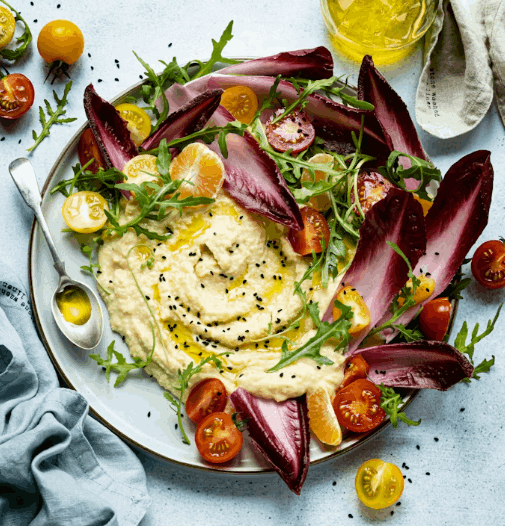
We emphasize ingredients in their natural or minimally processed state. This approach forms the core of our nutritional perspective.
We break down nutritional science into understandable concepts. Our goal is to provide clear information without overwhelming detail.
We consider the long-term impact of food choices on personal and environmental health. This includes discussions on seasonality and mindful sourcing.
We acknowledge that dietary needs and preferences are personal. Our suggestions are framed as options to explore, not rigid rules.
We believe that healthy eating is fundamentally about nourishment, not deprivation. Food should be a source of pleasure and vitality, not anxiety. Our philosophy centers on the idea of addition—adding more whole, nutrient-dense foods to your plate—rather than focusing solely on restriction. We see food as one part of a holistic picture of well-being that includes movement, rest, and mental health. It is interconnected with how we feel each day.
This perspective rejects the notion of "perfect" eating. We acknowledge that life involves variety, including social gatherings, busy periods, and personal preferences. Our aim is to help build a flexible foundation that can adapt to life’s changes. We promote understanding your body’s signals and making choices that align with your personal goals. Knowledge empowers choice, and choice should feel liberating, not limiting. This balanced view is at the core of everything we share.
Whole grains are seeds that contain all three original parts: the bran, germ, and endosperm. This complete structure provides a different nutritional profile compared to refined grains. They typically offer more fiber, which can support digestive health. Whole grains also contain various vitamins and minerals essential for bodily functions. Incorporating them can add texture and depth to meals.
Fresh and dried herbs are powerful tools for enhancing flavor without relying heavily on salt or processed sauces. They are the leaves of various plants and can transform a simple dish. Herbs like basil, parsley, cilantro, and thyme offer distinct aromatic profiles. Using them introduces a layer of freshness and complexity to cooking. They are a bridge between nutrition and sensory pleasure.
Seasonal eating involves choosing fruits and vegetables that are naturally harvested around the time you purchase them. This often means they have traveled shorter distances to reach your local market. Produce picked at its peak typically offers a robust flavor and texture. This practice also connects our eating habits to the natural rhythms of the year. It provides a built-in variety to our diets as the seasons change.
The first meal of the day sets a tone for energy levels and subsequent food choices. A balanced breakfast often includes a mix of protein, healthy fats, and fiber-rich carbohydrates. This combination can provide sustained energy rather than a brief spike. Examples could be eggs with vegetables, oatmeal with nuts, or yogurt with fruit. The goal is nourishment, not complexity.
No, we do not offer personalized meal plans, consultations, or specific dietary advice. We are an informational resource, not a substitute for professional medical or nutritional guidance. Our content is intended for educational purposes to help you make informed decisions in consultation with your healthcare providers.
We rely on peer-reviewed scientific journals, textbooks, publications from established health and nutrition institutions, and recognized experts in relevant fields. We prioritize sources that are evidence-based and avoid relying solely on anecdotal information or trend-focused media.
We follow a regular publishing schedule, typically releasing new articles on a weekly basis. This allows us the necessary time for thorough research, writing, and review to maintain the quality of our content. You can subscribe to our updates to be notified of new publications.
Topics are selected based on a combination of ongoing research, emerging science in nutrition, and frequent questions from our readers. We aim to cover foundational knowledge as well as explore specific ingredients or eating practices. Our goal is to build a comprehensive library of resources over time.
Many of our recipes and suggestions can be adaptable to various dietary needs, as we emphasize whole, single-ingredient foods. We often include notes on potential substitutions. However, we recommend you review each recipe carefully and adapt it using ingredients that meet your specific requirements.
Yes, we welcome topic suggestions and constructive feedback. This input is valuable for understanding what our readers find useful and where we can improve. Please reach out to us via our contact email with your ideas or comments.